The people behind the work
Every maker here was invited. Every story is real. The work speaks for itself.
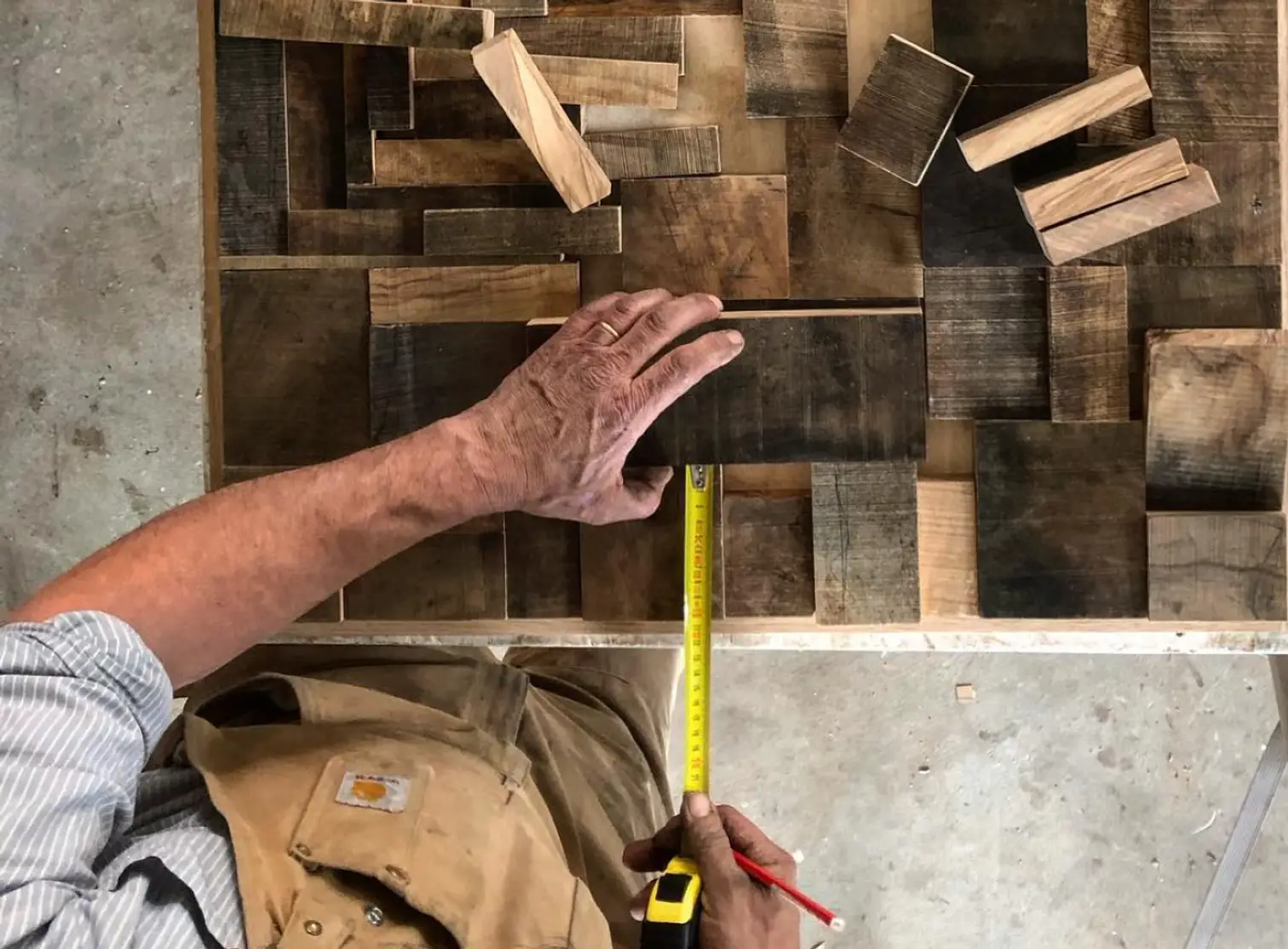
Wood — Asheville, North Carolina
Elias Brandt
“The tree was alive longer than I have been. I try to remember that.”
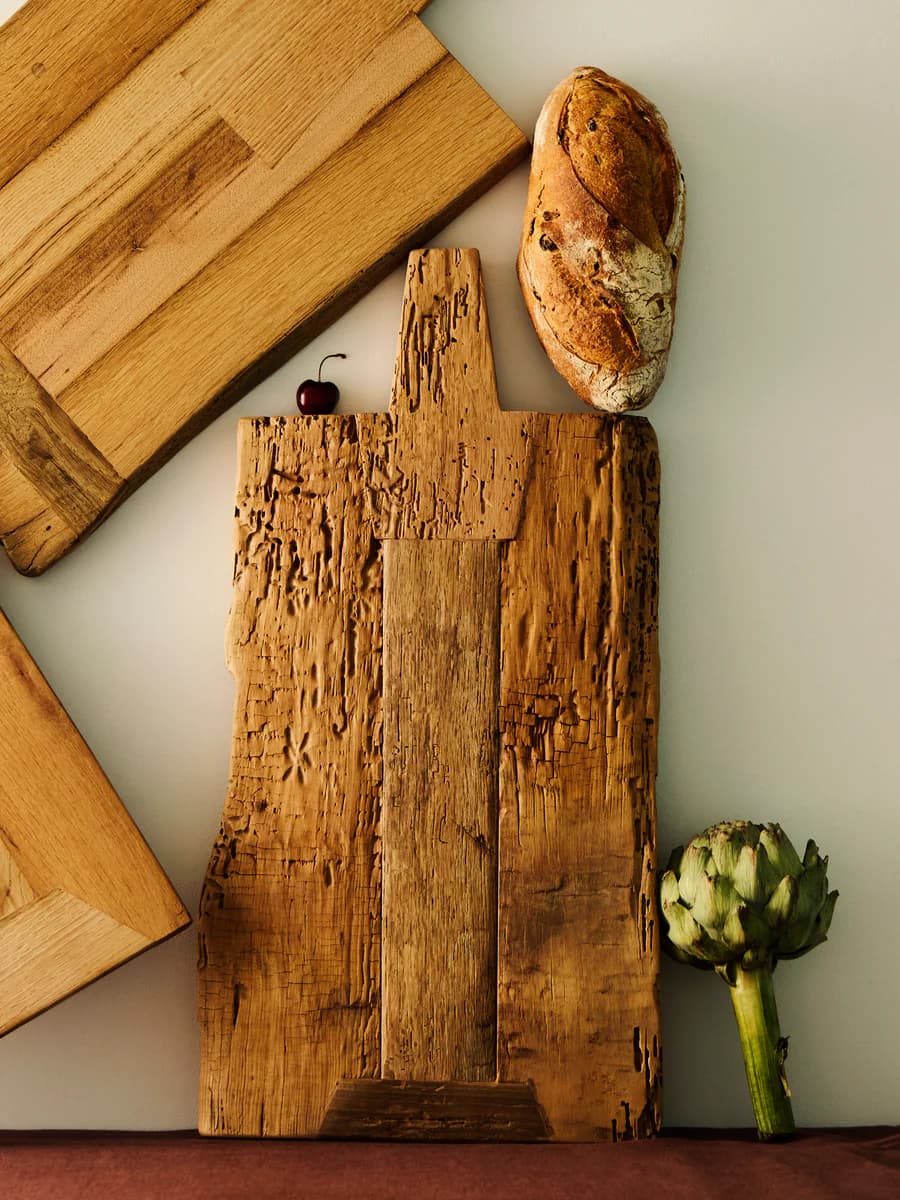
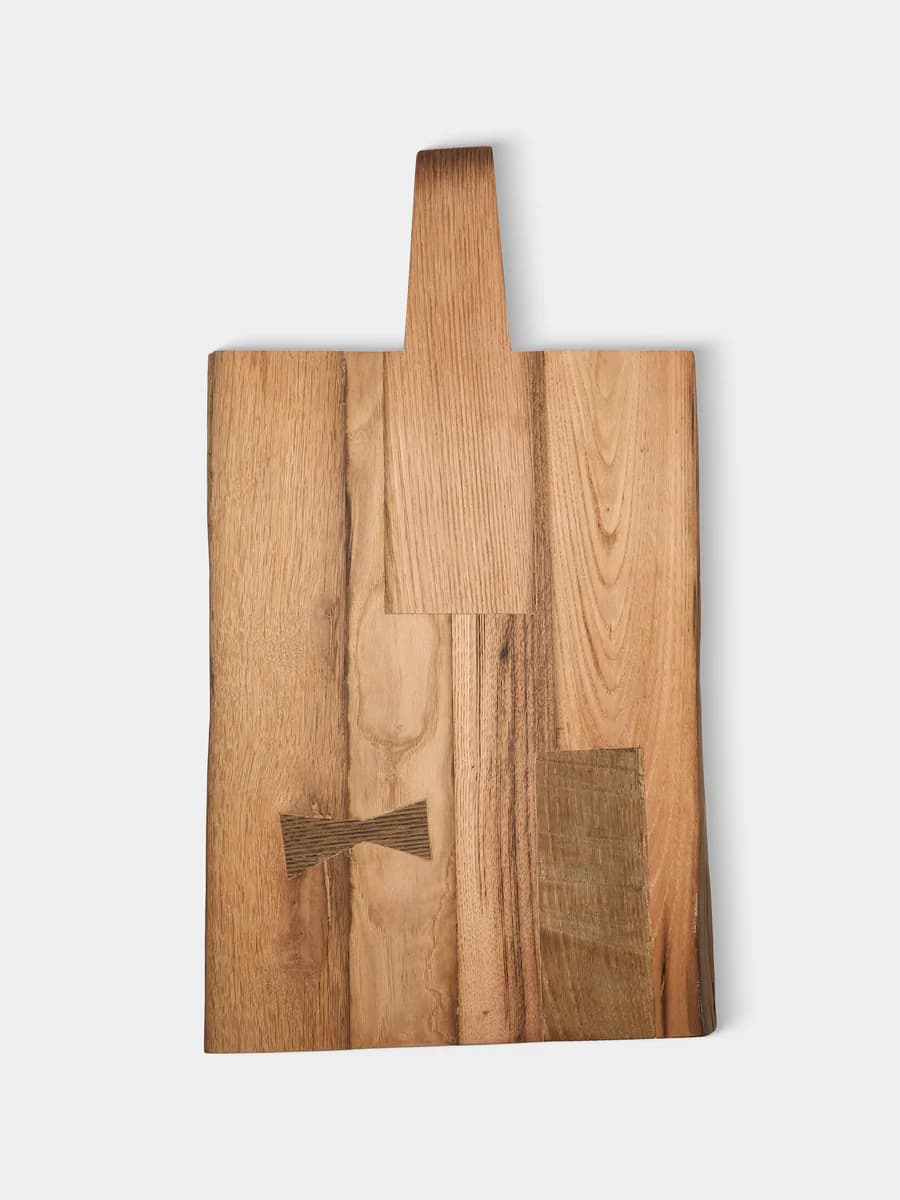
He builds from trees that have already fallen. He does not harvest living wood. He walks salvage yards and storm sites, looking for timber that carries the marks of its life — nail holes, weather checks, the grey patina of decades spent holding up a roof. He can tell you the species and approximate age of a board by looking at its end grain. He has never been wrong.

Clay — Phoenix, Arizona
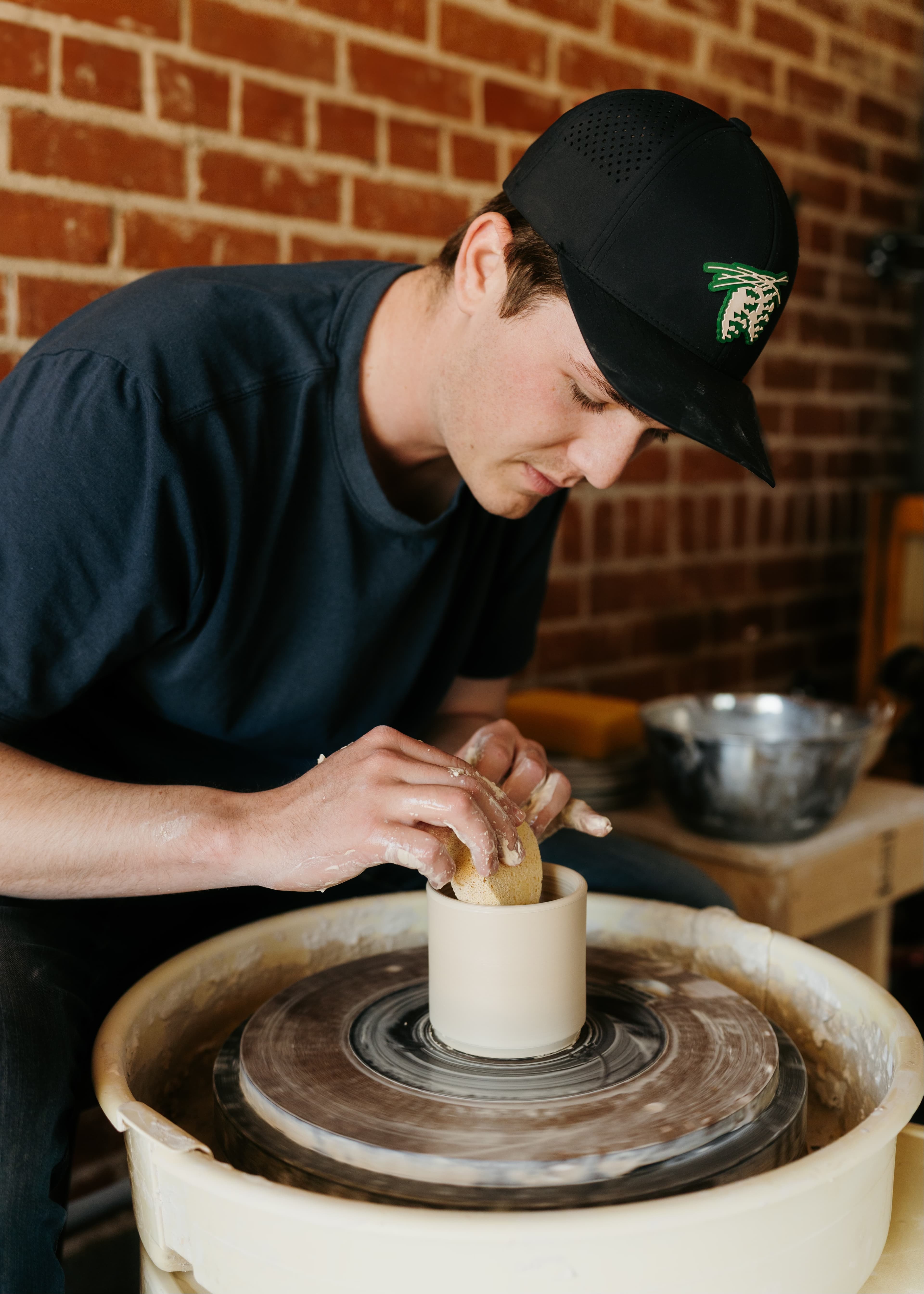
Nathan Coons
“Every piece begins as nothing. That is the part that never gets old.”
Nathan Coons works out of a converted brick room in Phoenix, where the heat outside makes the studio feel like its own kind of kiln. He started at seventeen — not because someone told him he was gifted, but because the wheel required his complete attention. Six years later, he has not left.


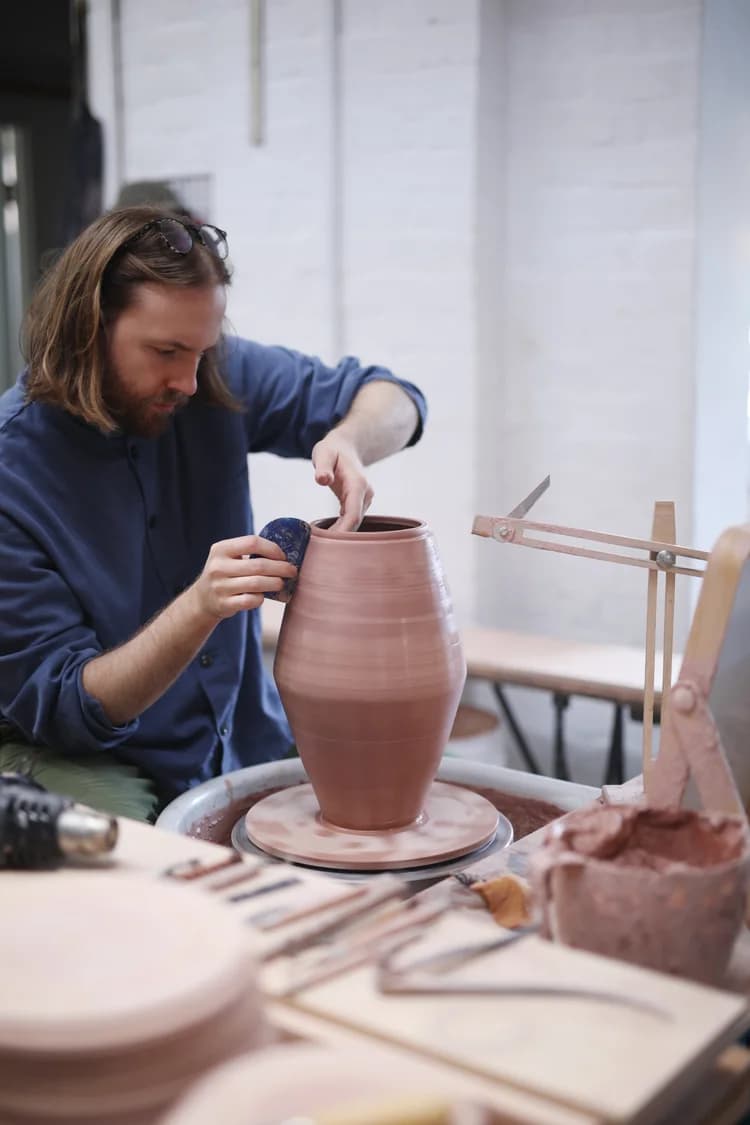
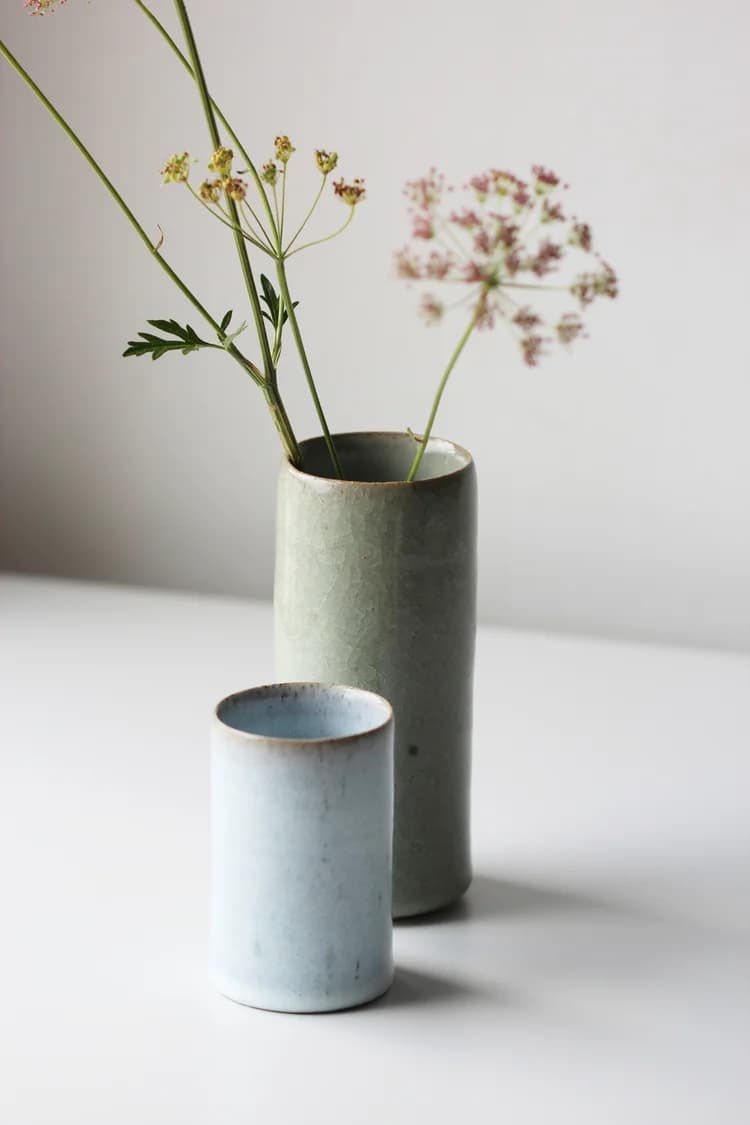
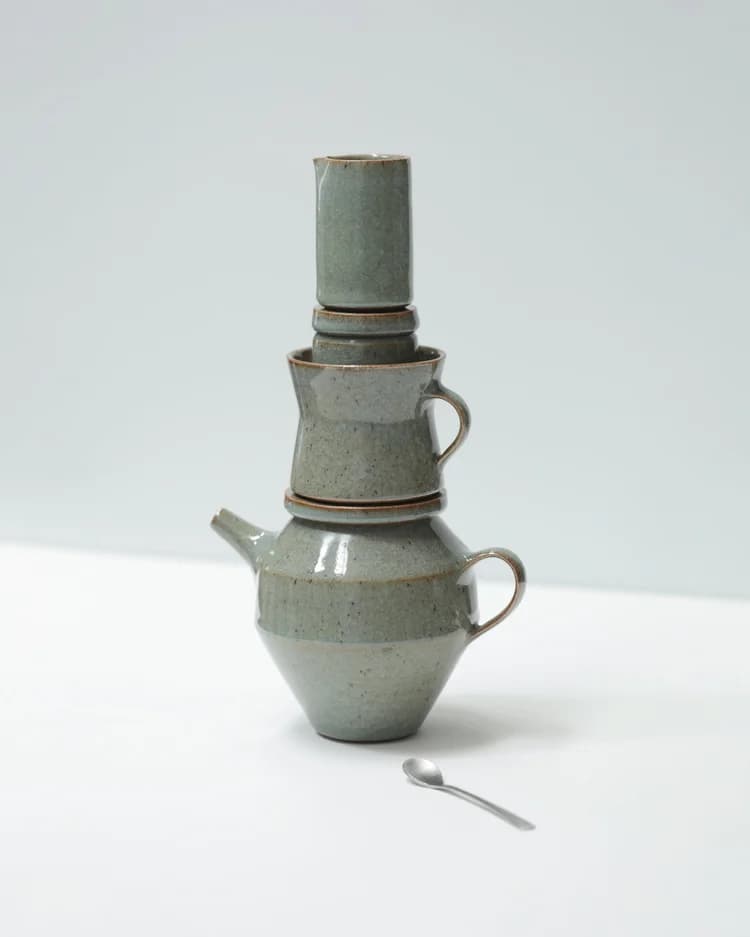
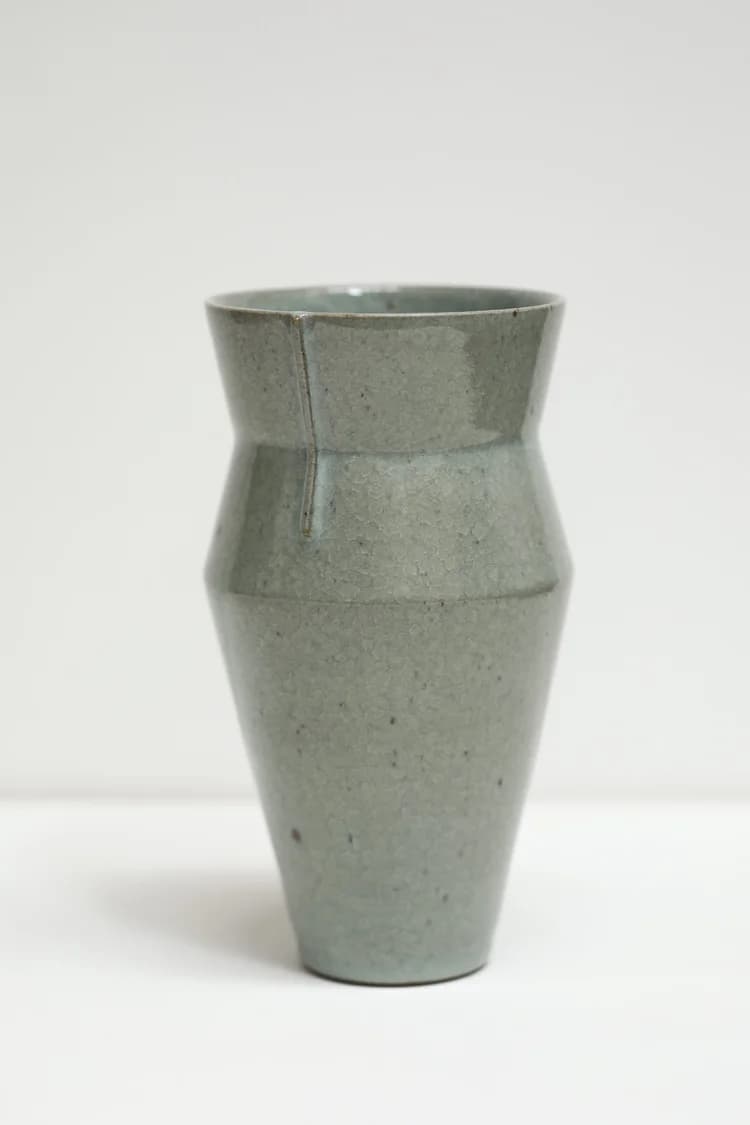
Clay — London, England
Florian Gadsby
“The kiln decides. I just prepare.”
Most mornings he takes the Underground to a studio where no one is waiting. He fills a bucket. He sits down at the wheel. He has been doing this since he was nineteen and he has not yet made the piece he is trying to make.
Glass — Toyama, Japan
Hana Miura
“Glass has no memory. You must give it one.”
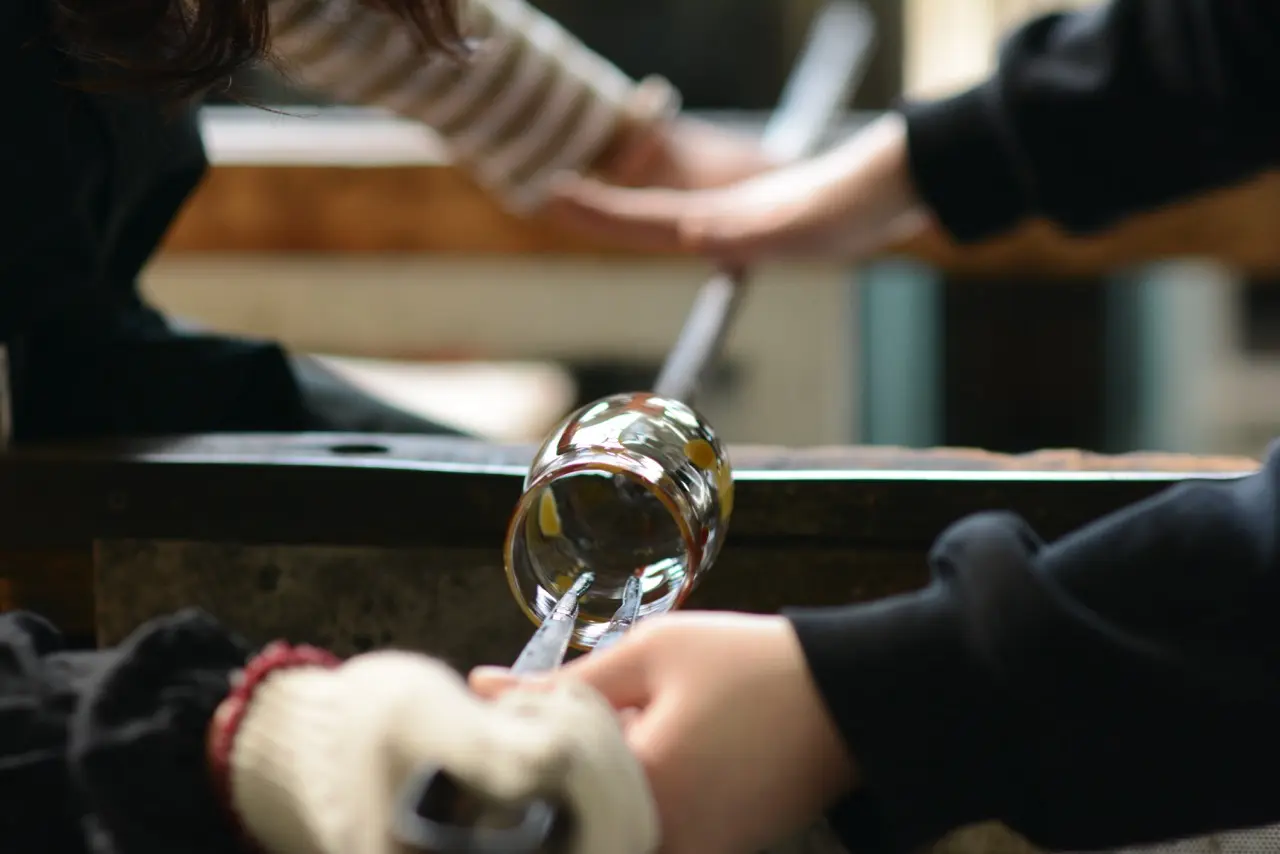
She arrives before the sun does. The furnace is already at 1,100 degrees — it has not been turned off in eleven years. She gathers the glass on the end of a blowpipe and begins to breathe. Everything that happens next takes less than a minute. Everything she has learned takes longer than that to explain.

Wood — San Diego, California
Jonathan Tatum
“"I keep making furniture that looks like it's about to stand up and walk away. I think that's the point."”
Jonathan Tatum works out of a small studio in San Diego, where most of the floor space is occupied by raw lumber and most of the walls are covered in sketches. He is twenty-one. He has been making furniture since he was seventeen, and he has never taken a class. His references are the mid-century masters — Sam Maloof, Hans Wegner, Finn Juhl — makers who understood that a chair is not just a surface to sit on but a form that exists in space, that has a silhouette, that can be beautiful from every angle. Tatum absorbed that conviction early. What he added was his own — a sense of whimsy that sits just beneath the precision, forms that seem almost alive, joints so tight they need no fasteners and no apology. He starts with raw lumber. Not dressed, not milled to spec — raw, with the grain still telling the story of the tree it came from. He reads it before he cuts it. The shape he is looking for is already in there somewhere. His job is to find it without losing what made the wood interesting in the first place. He works slowly. He keeps very little of what he makes. The rest he keeps making until it is right. He is twenty-one. He is just getting started, and he already knows it.


