Clay — London, England
Florian Gadsby
“The kiln decides. I just prepare.”
Clay — London, England
“The kiln decides. I just prepare.”
He has been doing this since he was nineteen. The kiln has never once done what he expected. He has never once stopped.
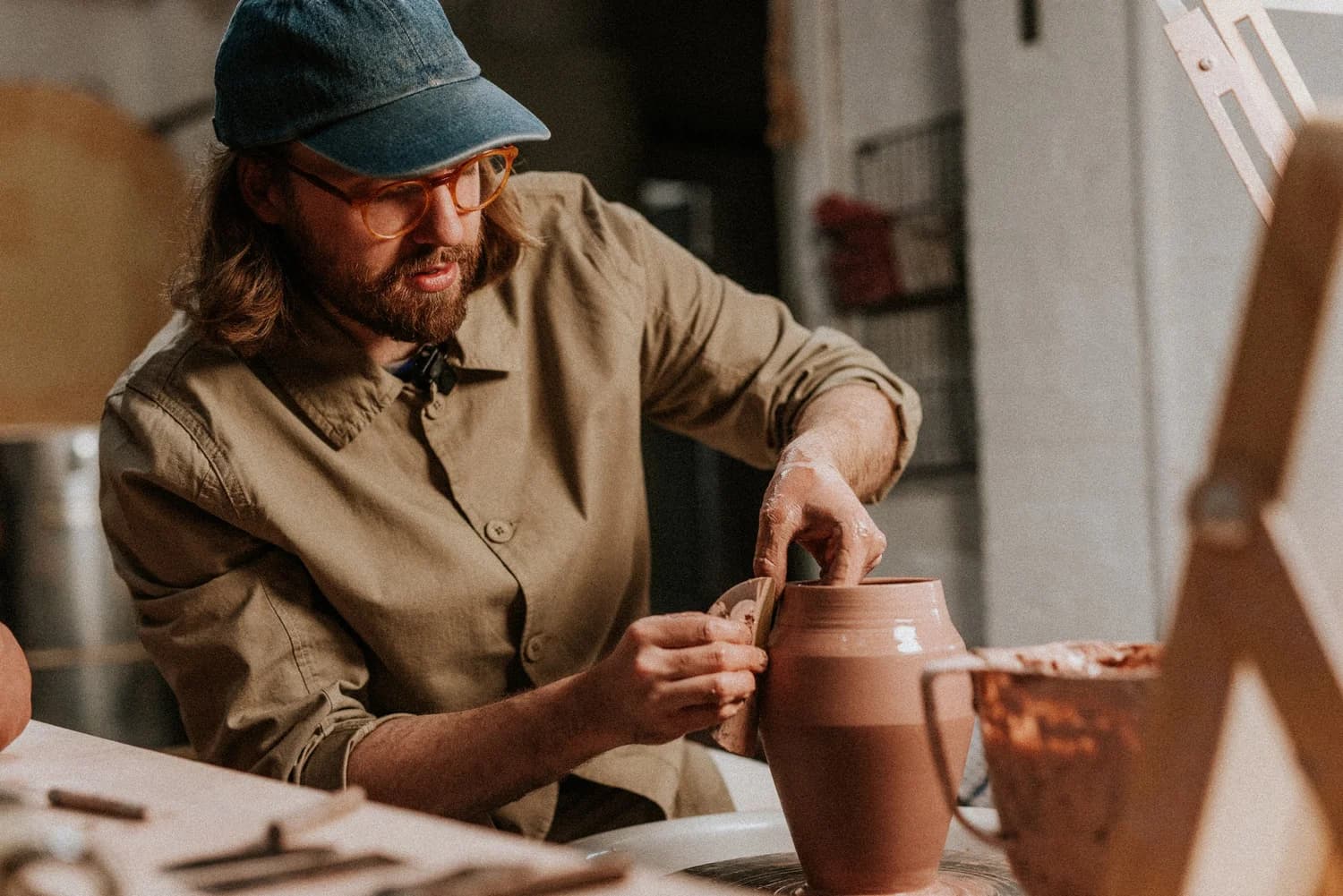
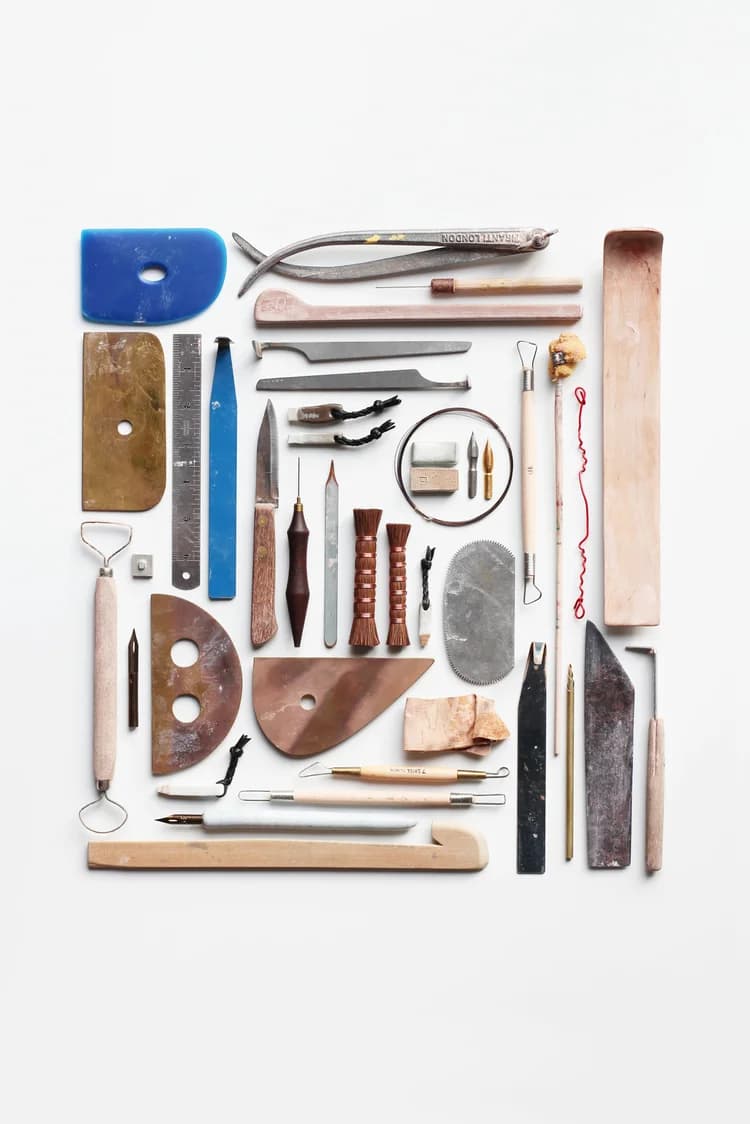
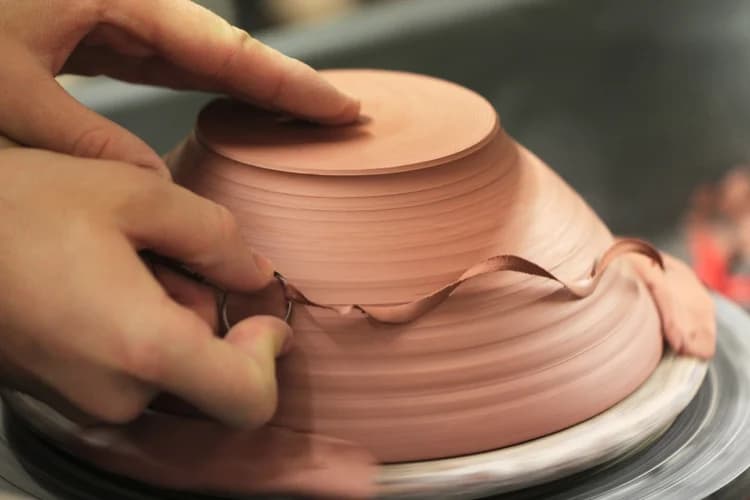
Most mornings he takes the Underground to a studio where no one is waiting. He fills a bucket. He sits down at the wheel. He has been doing this since he was nineteen and he has not yet made the piece he is trying to make.
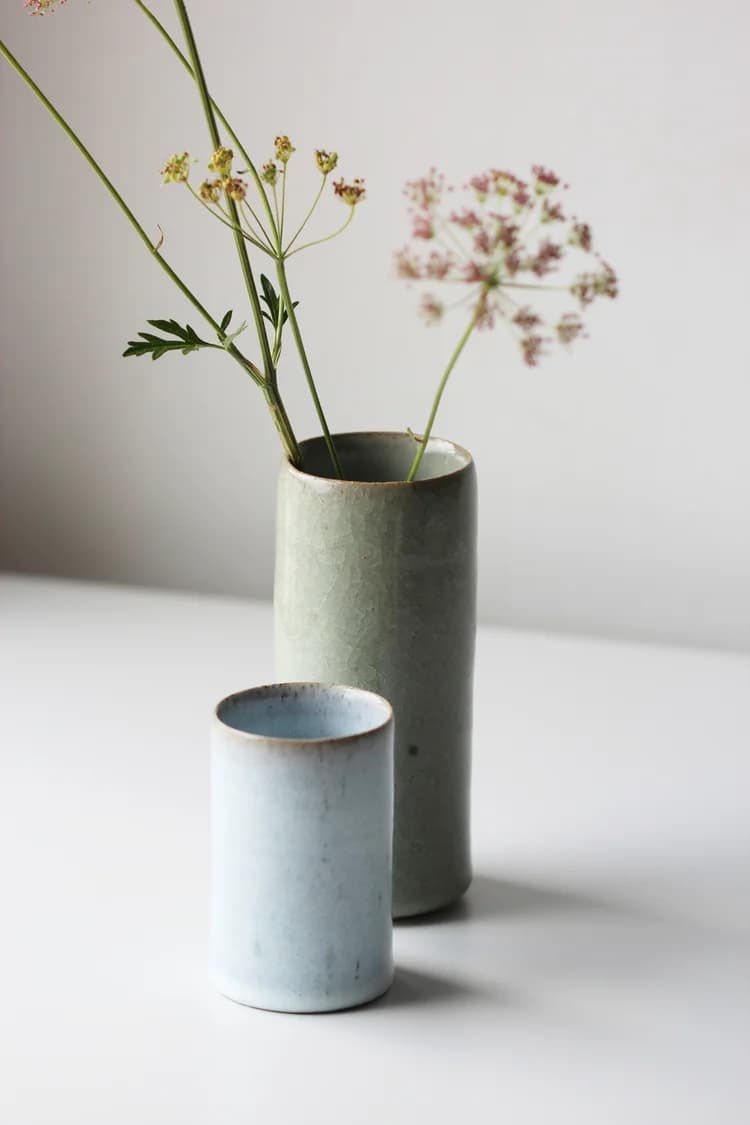
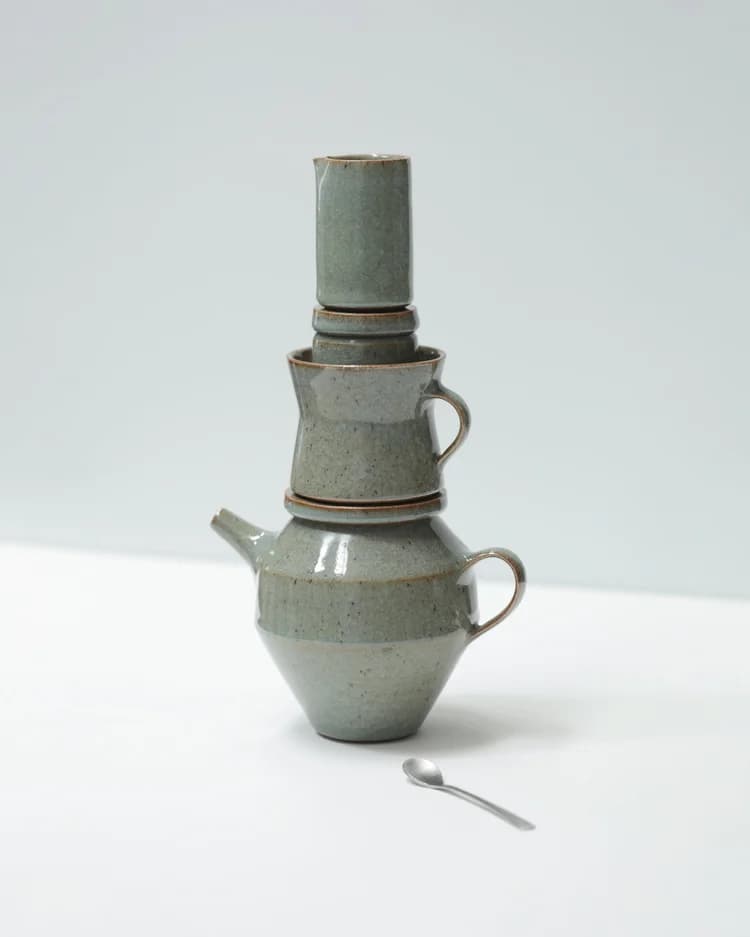
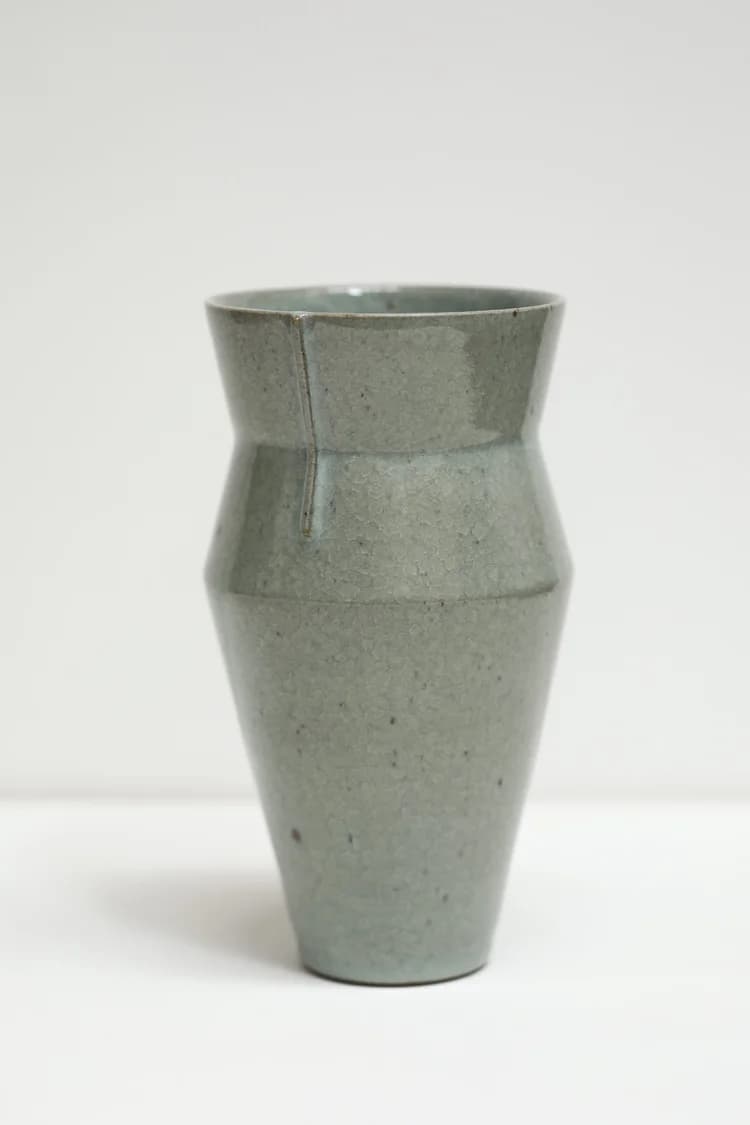
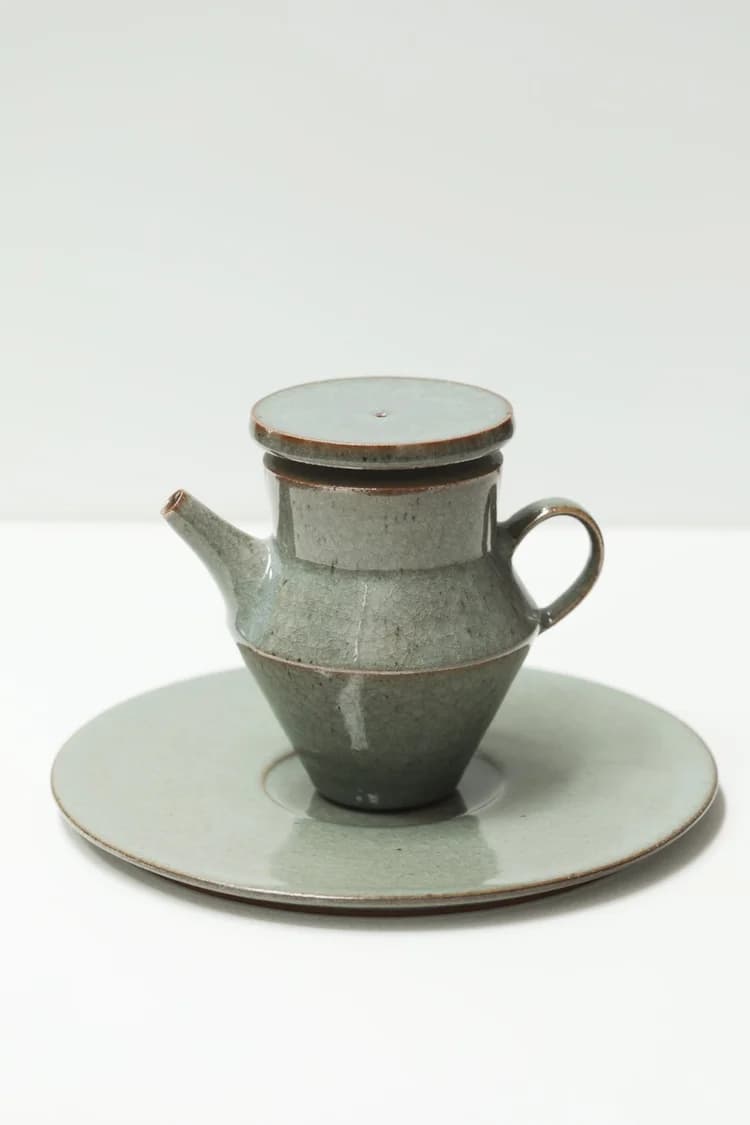
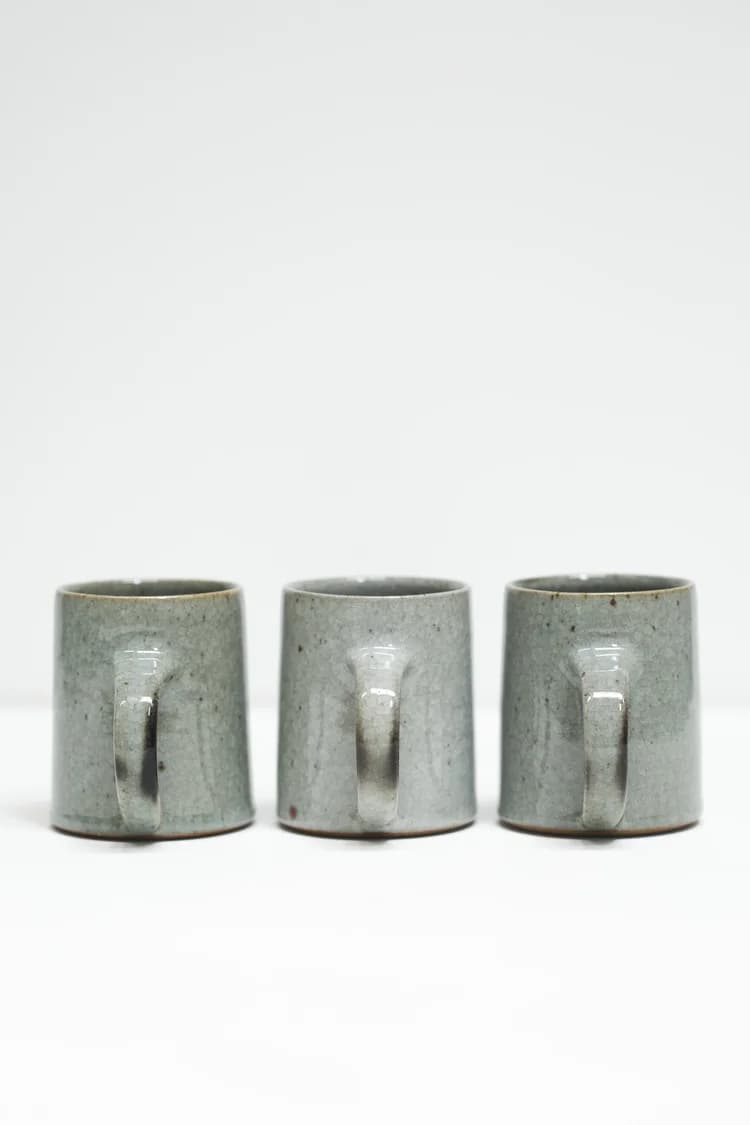
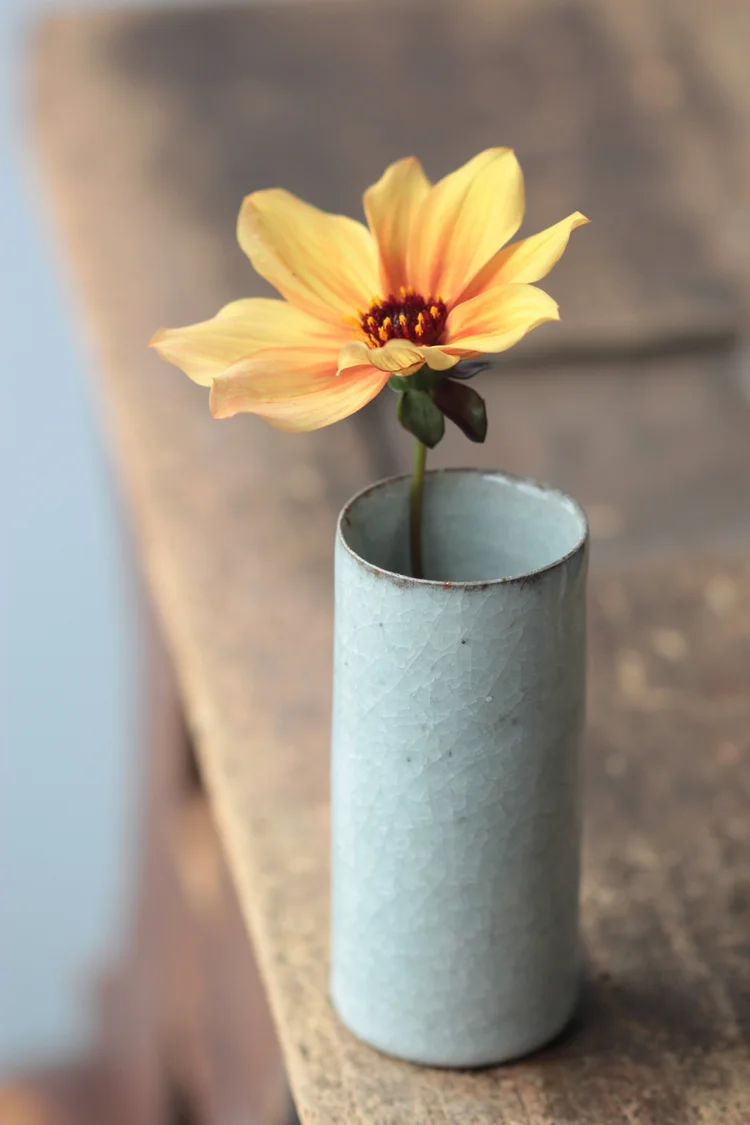
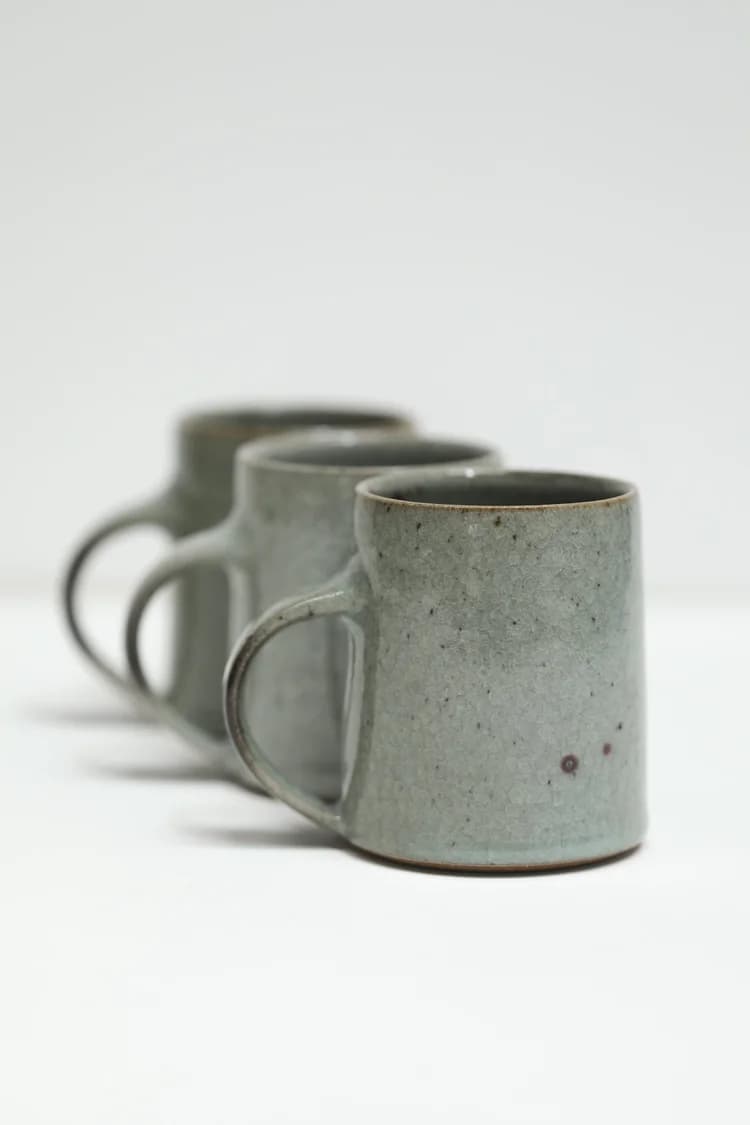
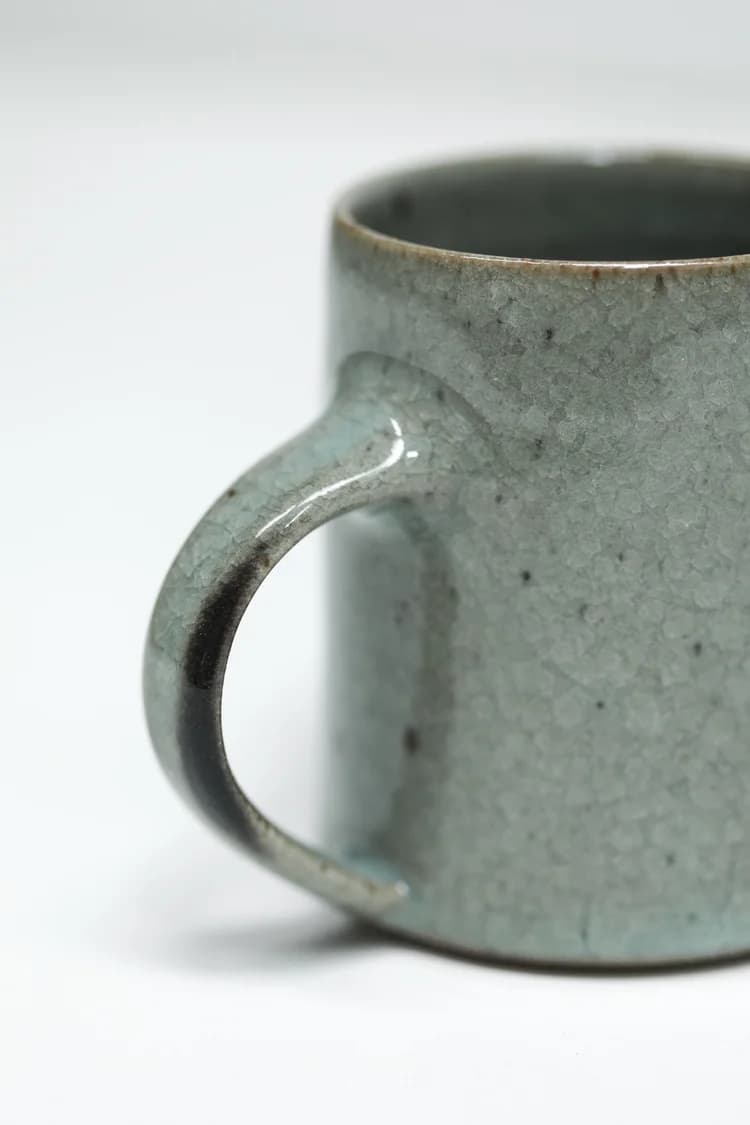
He trained under Lisa Hammond, then left for Mashiko, Japan — six months with Ken Matsuzaki, a man whose family has thrown pots for generations. The crackle glazes came from there. Thermal shock. Controlled violence. The glaze shattering into hairline fractures the width of a human hair. It is technically a defect. He has spent years learning to love what he cannot control.
He fires to 1,295°C. Waits two days to open the kiln. Three million people follow his work. When a collection drops it sells in minutes. In the studio, none of that exists. There is only the clay, and whether today is the day he finally gets it right.
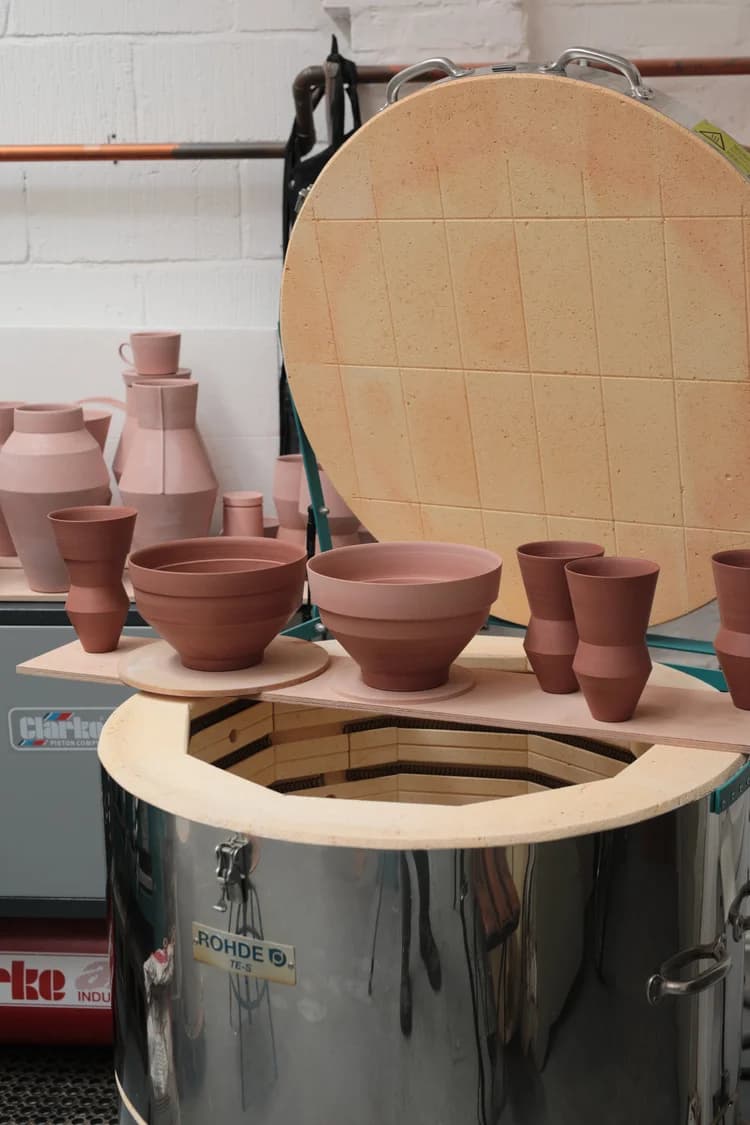
“Before the glaze, before the kiln, before the fire decides — there is only the maker and the morning.”
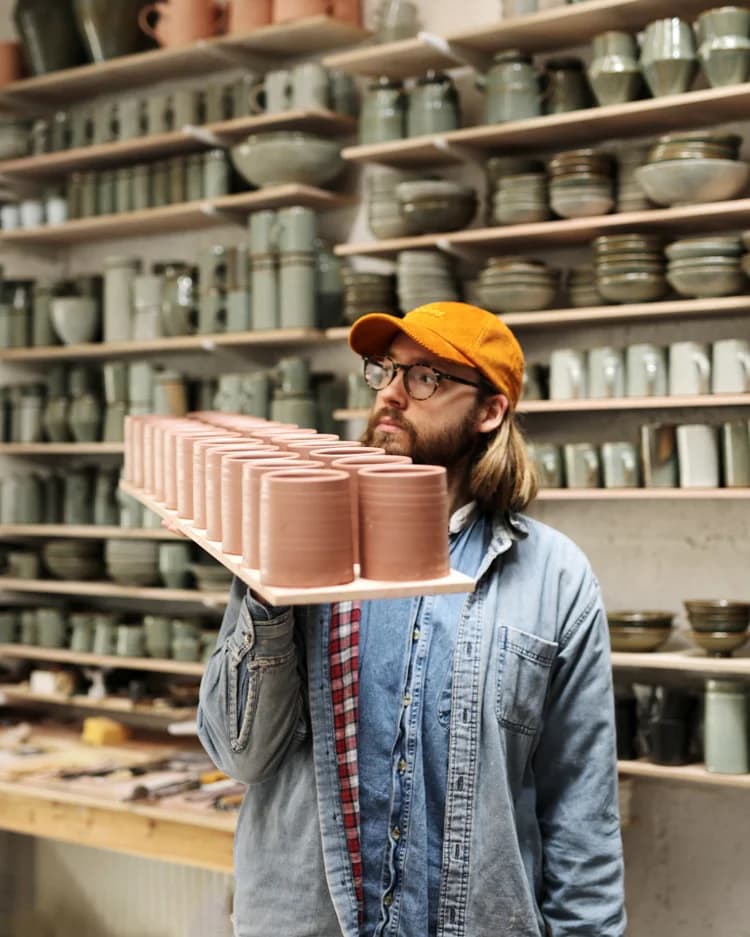
“You cannot rush a kiln. You cannot argue with thermal shock. The clay remembers everything you did to it.”
Florian Gadsby
Clay
Florian Gadsby
Clay
Florian Gadsby
Clay
Florian Gadsby
Clay
Florian Gadsby
Clay
Florian Gadsby
Clay
Florian Gadsby
Clay
Florian Gadsby
Clay
Florian Gadsby
Clay
Florian Gadsby
Clay
Florian Gadsby
Clay
Florian Gadsby
Clay
Florian Gadsby
Clay
Florian Gadsby
Clay
Florian Gadsby
Clay
Florian Gadsby
Clay
Florian Gadsby
Clay
Florian Gadsby
Clay