Hana Miura — Glass

GlassToyama, Japan

Hana Miura

Glass has no memory. You must give it one.

Hana Miura

Toyama-based glass artist trained at the Toyama Institute of Glass Art and on the island of Murano, where she studied under maestros whose families have blown glass since the fifteenth century. She works in free-blown soda-lime glass, layering metallic oxides to trap color inside color. She makes perhaps two hundred pieces a year. Most of them she breaks.

GlassToyama, Japan

The Work
The Story

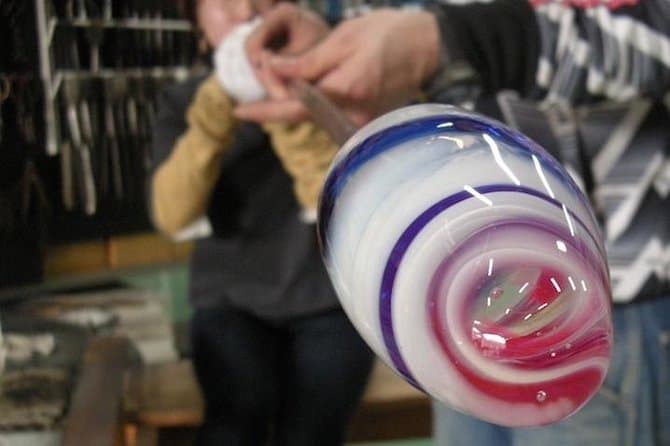
The furnace has not been turned off in eleven years. It burns at 1,100 degrees in a converted rice warehouse on the edge of Toyama Prefecture, where the Sea of Japan pushes winter air through the valley and the windows fog with the heat of a small sun. Hana Miura arrives before dawn most mornings, when the glass is quietest — a glowing pool of molten silica waiting at the end of a blowpipe for the breath that will give it form. She calls this hour the stillness before the shaping.

Hana Miura in the studio
Between liquid and solid, between possibility and permanence — the glassblower works inside a window that is always closing.

She trained at the Toyama Institute of Glass Art, then spent four years on the island of Murano, learning from maestros whose families had blown glass since the fifteenth century. They taught her that glass is not a material — it is a moment. It exists in a narrow window between liquid and solid, between possibility and permanence, and the glassblower's job is to work inside that window before it closes. She returned to Japan carrying five centuries of Venetian technique and a conviction that glass should look like it contains light, not merely transmits it.

Hana Miura at work
Every color is a decision made in fire. Cobalt for depth. Manganese for shadow. Iron for the light that lives in river water.

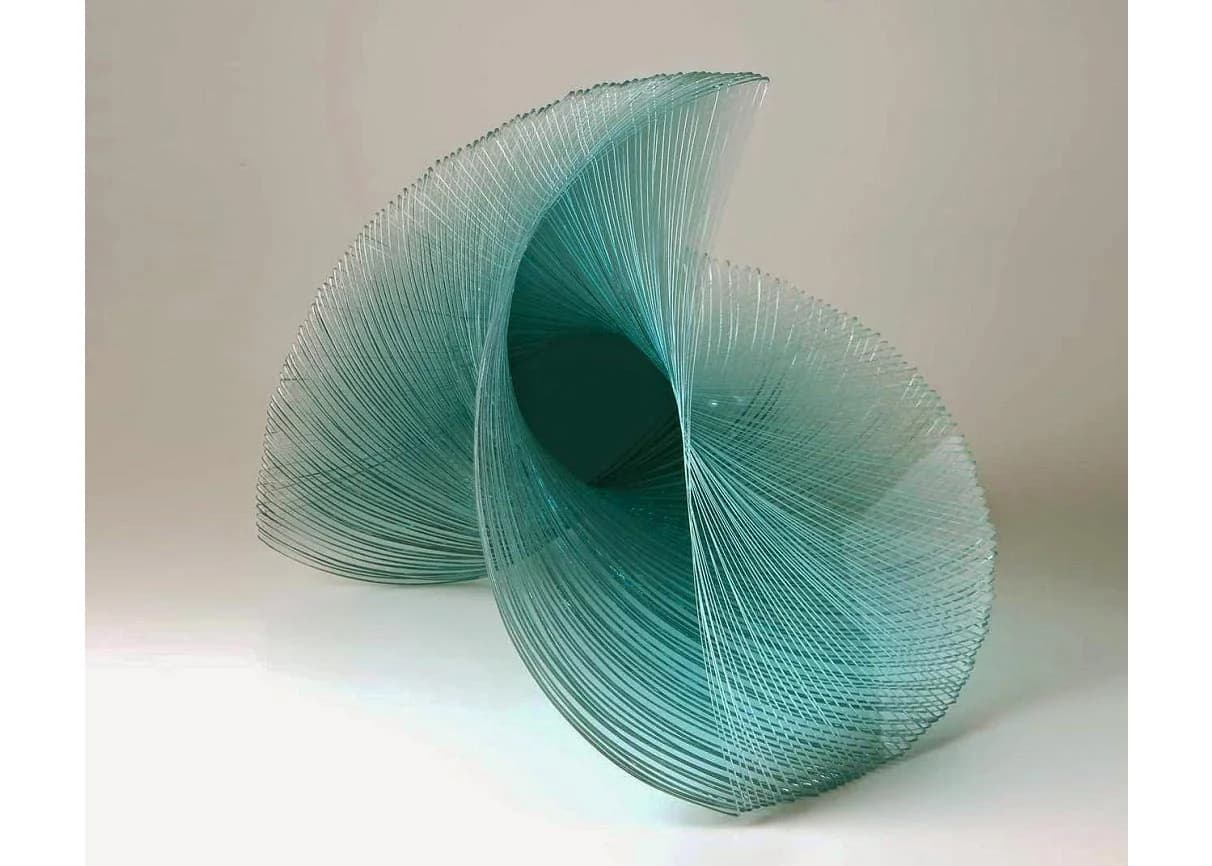
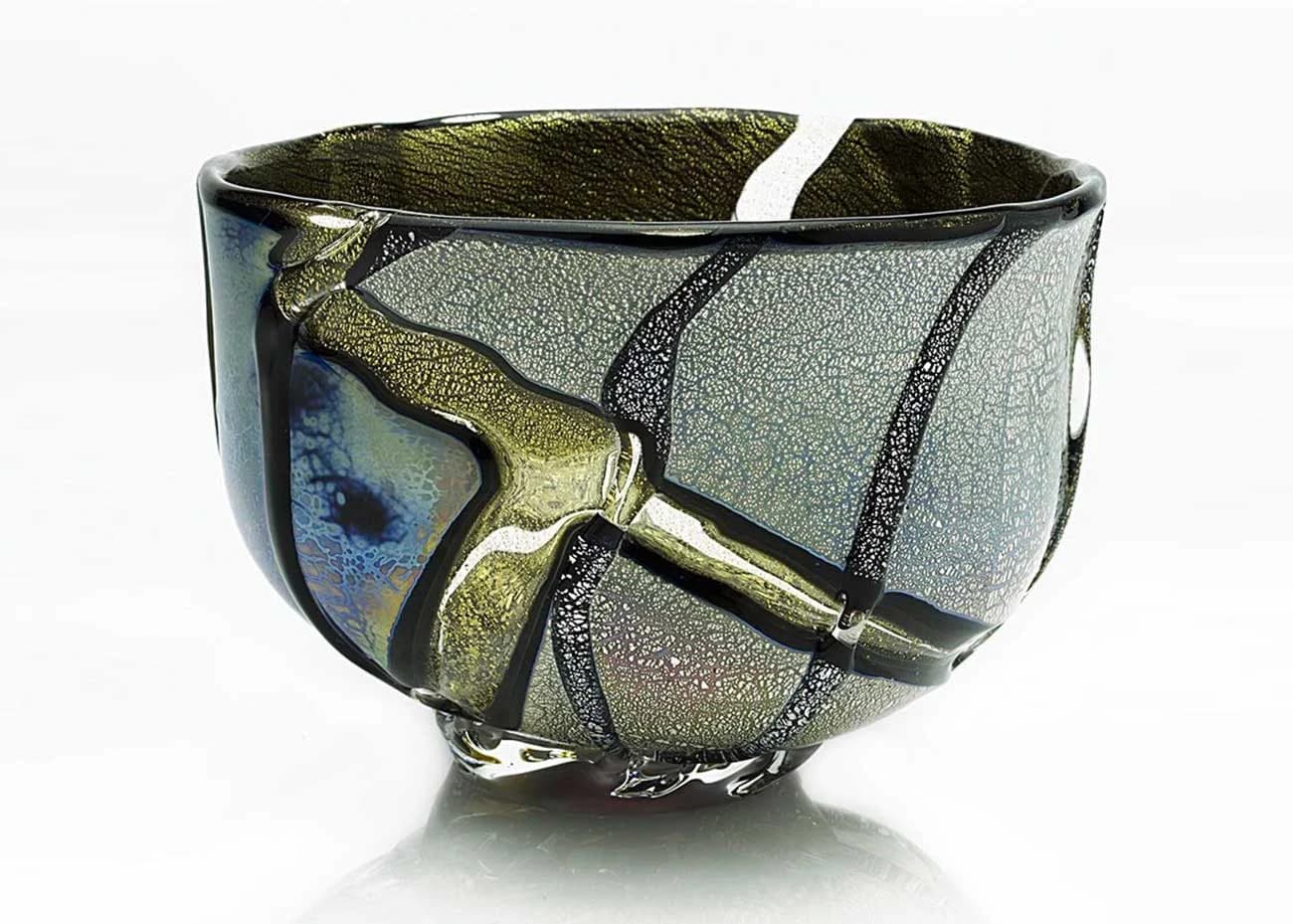
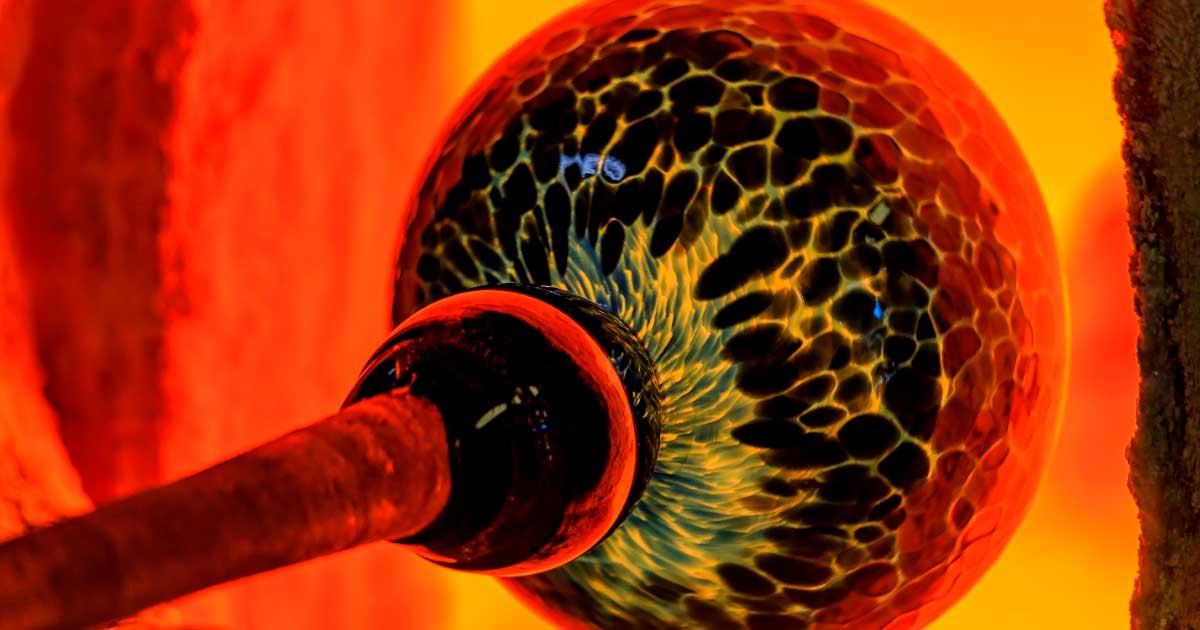
Her pieces are blown, never cast. Each begins as a gather of molten glass on the end of a blowpipe — a glowing orange mass that she shapes with breath, gravity, and a handful of tools unchanged in centuries. The colors come from metallic oxides added to the melt: cobalt for the blue of deep water, manganese for the violet of a bruise, iron for the pale green of river light. She layers them, trapping one color inside another, so the finished piece shifts as you move around it — like a memory you almost remember. She makes perhaps two hundred pieces a year. Most of them she breaks.

Hana Miura materials and tools
She keeps the broken ones on a shelf by the door. Not as trophies. As teachers.
The Craft

Miura works in free-blown soda-lime glass, gathering from a furnace that burns continuously at 1,100°C. Each piece is shaped on the blowpipe using breath, gravity, and hand tools — jacks, tweezers, blocks, and paddles — techniques unchanged since the Roman Empire. Colors are achieved through metallic oxide inclusions layered within the glass itself, trapping one hue inside another to create depth and movement. After blowing, each piece is annealed over twenty-four hours to relieve internal stress. The pontil mark is cold-worked and polished by hand. Every piece is inspected against her standards. Most are rejected.

← Back to HomeVisit the shop →