Elias Brandt — Wood

WoodAsheville, North Carolina

Elias Brandt

The tree was alive longer than I have been. I try to remember that.

Elias Brandt

Asheville-based woodworker who builds exclusively from salvaged American hardwoods — walnut, white oak, cherry, and maple sourced from storm falls and old barns. He apprenticed under George Nakashima’s protégé, Mira Nakamura, and is known for his butterfly key joinery: a bowtie of contrasting wood set across a natural crack, turning a defect into the most beautiful part of the piece.

WoodAsheville, North Carolina

The Work
The Story

Elias Brandt builds from trees that have already fallen. He does not harvest living wood. He walks salvage yards and storm sites and old barns marked for demolition, looking for timber that carries the marks of its life — nail holes, weather checks, the grey patina of decades spent holding up a roof. His workshop sits on four acres outside Asheville, in a hollow where the morning fog pools like milk. He works with hand tools when he can and machines when he must, and he can tell you the species, approximate age, and likely origin of a piece of wood by looking at its end grain.

Elias Brandt in the studio
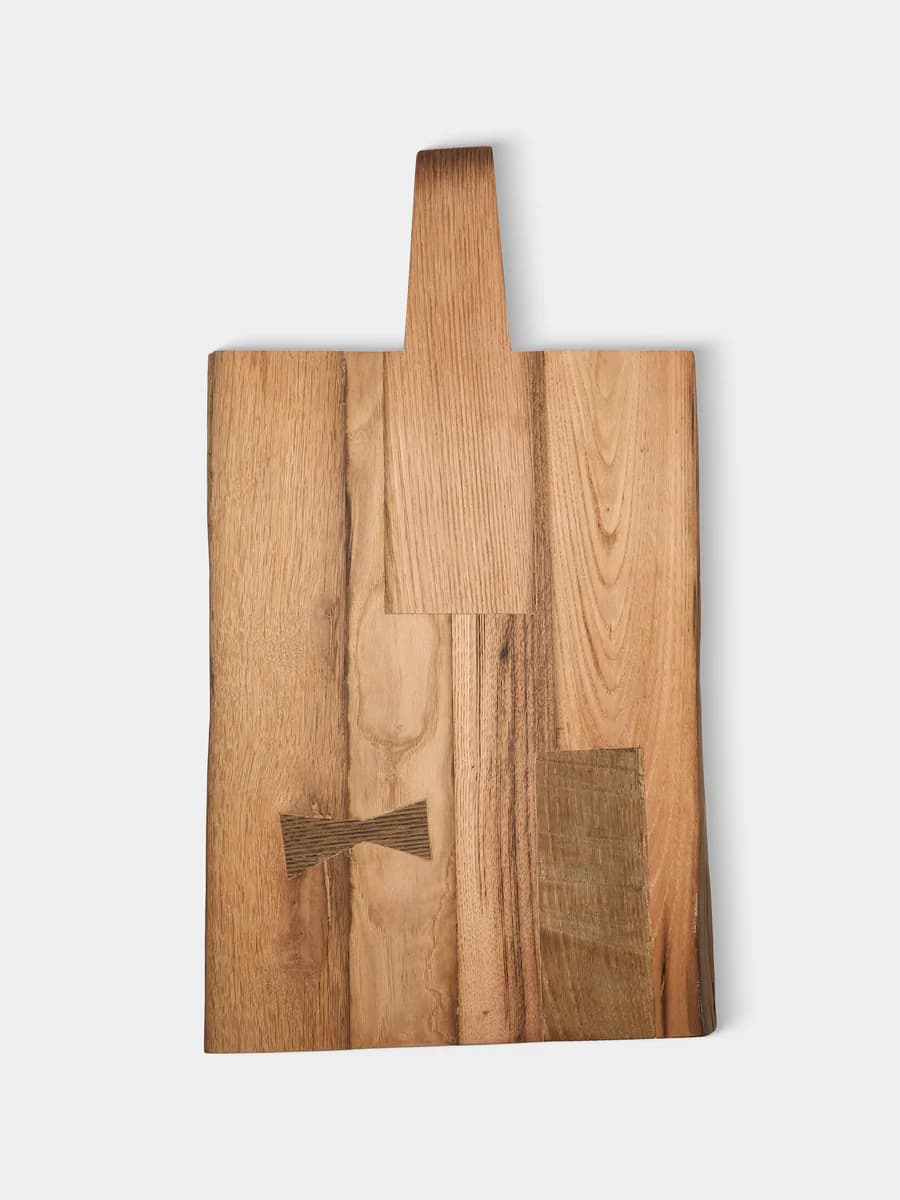
A butterfly key set across a natural crack — not hiding the flaw, but making it the most honest part of the piece.

He apprenticed under George Nakashima's protégé, Mira Nakamura, spending three years in New Hope, Pennsylvania, learning the Japanese concept of wabi-sabi through American hardwoods. A knot is not a flaw. A split is not a failure. The wood is telling you what it wants to be, and your job is to listen. Nakamura taught him to read a board the way a sailor reads water — the direction of the grain, the tension in a curve, the places where the tree fought against wind and won. When Brandt returned to the mountains, he brought that patience with him.

Elias Brandt at work
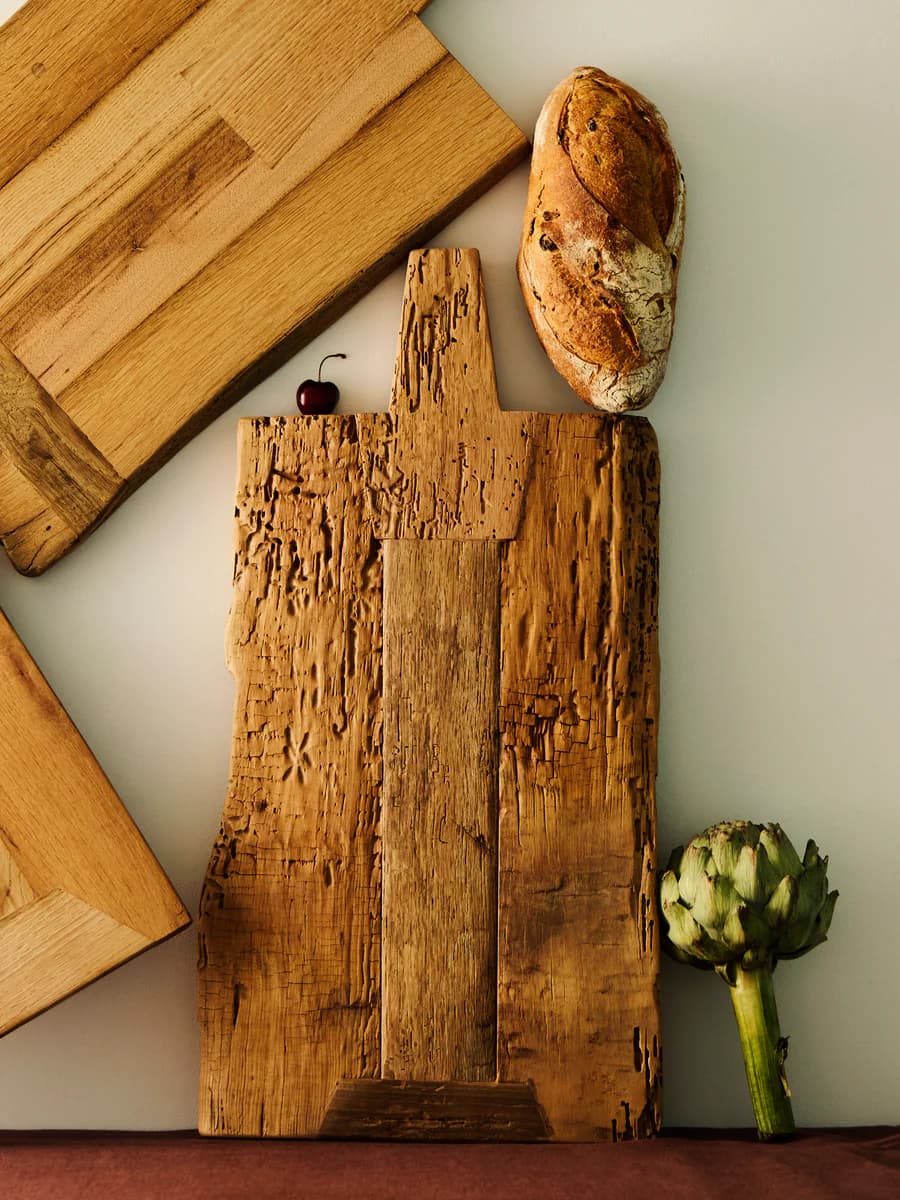
Objects that are meant to be used. Bread on the board, oil in the grain, a life measured in meals shared.

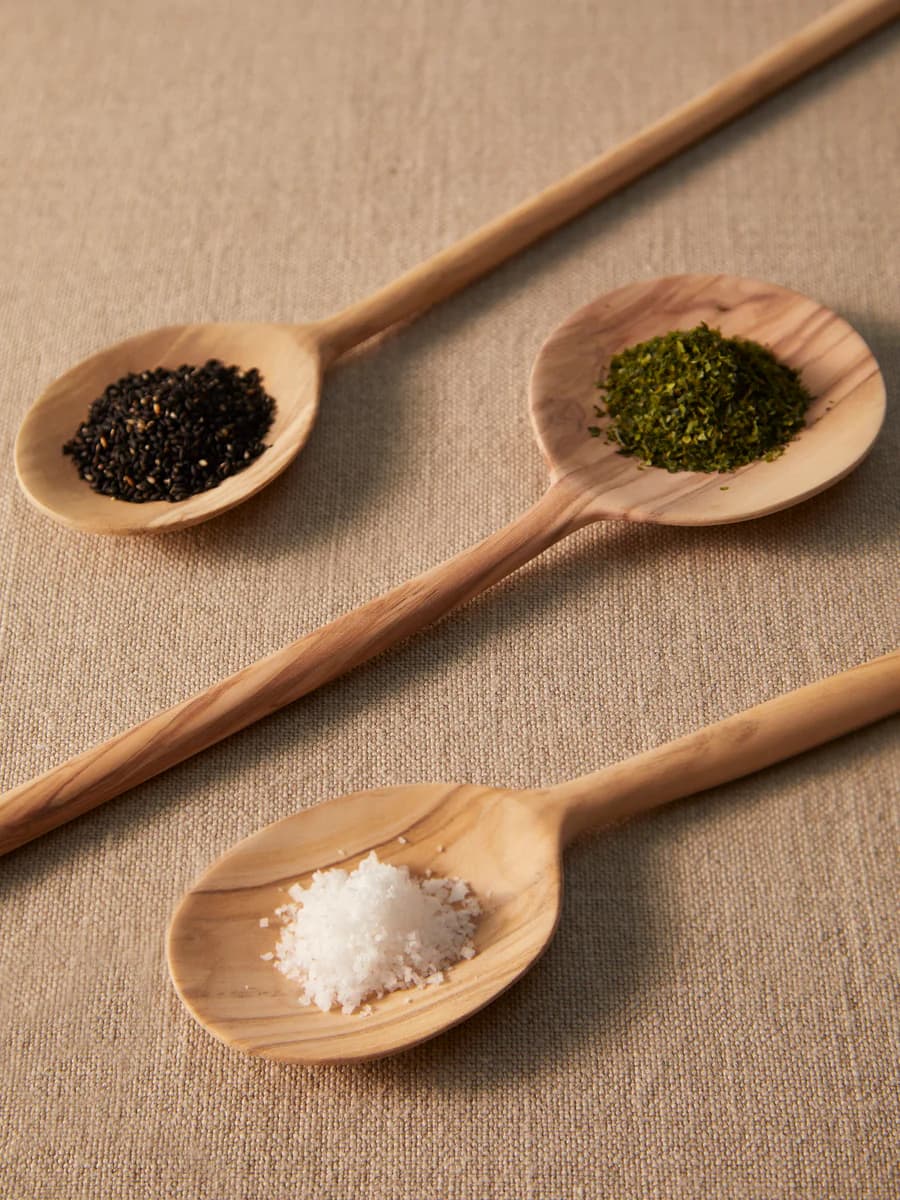
His pieces are joined without metal fasteners — mortise and tenon, dovetail, wedged through-tenon, and the butterfly keys he has become known for. Where most woodworkers would discard a cracked board, Brandt stabilizes it with a walnut bowtie inlaid across the fracture, turning a defect into the most beautiful part of the piece. He finishes with hand-rubbed oil, dozens of coats applied and buffed over weeks, until the surface feels like skin. He makes perhaps forty to fifty objects a year — cutting boards, serving boards, carved spoons, the occasional table. Each one takes weeks. He is fine with that.
Elias Brandt materials and tools
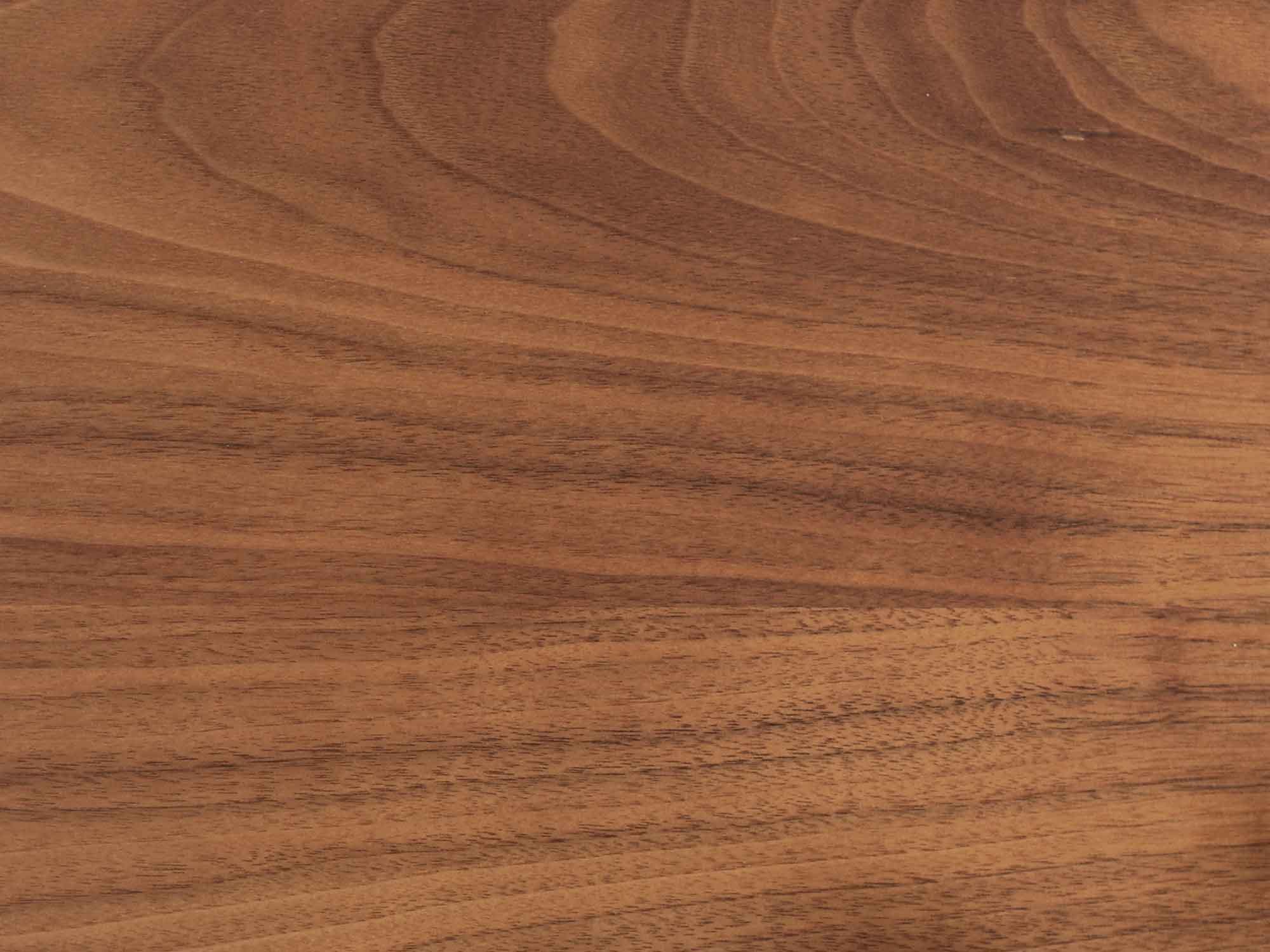
Black walnut. The grain remembers every year of drought, every season of rain. You can read a tree's autobiography in its end grain if you know the language.
The Craft

Brandt works exclusively in salvaged American hardwoods — walnut, white oak, cherry, and maple — sourced from storm falls, old barns, and demolition sites across the southern Appalachians. Each board is air-dried for one to three years before he touches it. His signature is the butterfly key: a bowtie-shaped inlay of contrasting wood set across a natural crack, stabilizing the fracture while celebrating it. Every piece is joined with traditional joinery — mortise and tenon, dovetail, wedged through-tenon — and finished with twenty to thirty coats of hand-rubbed tung oil over several weeks.

← Back to HomeVisit the shop →